Knee pain can make everyday activities such as walking, climbing stairs and getting up from a chair more difficult. If you are searching for natural treatment for knee osteoarthritis, start with approaches that support joint function: tailored exercise, weight management where appropriate and practical changes to daily activities.
These measures can help manage symptoms, but they do not reverse osteoarthritis or regrow damaged cartilage. The NHS explains that treatment focuses on reducing symptoms and helping people stay active.
What Is Knee Osteoarthritis?
Osteoarthritis is a condition that affects the tissues of a joint. When it involves the knee, symptoms can include pain, stiffness and difficulty moving comfortably. Symptoms vary between people, so a treatment plan should reflect your mobility, health and daily needs. clinical assessment is useful before starting treatment, especially if knee pain is new or its cause is unclear.
What Natural Treatments Can Help Knee Osteoarthritis?
1. Follow a Personalised Exercise Programme
Exercise is one of the most effective foundations of knee osteoarthritis care. A suitable programme combines strengthening the muscles around the knee with activity that improves general fitness. A physiotherapist can help adapt exercises to your symptoms and ability.
Depending on your assessment, your programme may include:
- Gentle knee movement exercises.
- Thigh and hip strengthening.
- Short walks on level ground.
- Low-impact activities such as swimming or stationary cycling.
Start gradually and build consistency. Some discomfort can occur when beginning exercise, but sharp pain or a substantial increase in swelling calls for reassessment.
2. Manage Weight Where Appropriate
For people living with overweight or obesity, gradual weight loss can reduce knee pain and improve physical function. It is best approached through sustainable eating habits and activity suited to your mobility.
Avoid crash diets. A realistic plan that you can maintain is more useful than a short period of severe restriction.
3. Use Heat or Cold for Temporary Comfort
A warm compress may ease stiffness, while a cold pack may help with discomfort and swelling after activity. Wrap packs in a towel, check your skin regularly and avoid applying heat or ice directly to the skin. These measures provide temporary relief and work best alongside an ongoing care plan.
4. Pace Activities Throughout the Day
Staying active does not mean pushing through every painful movement. Break longer tasks into manageable periods and alternate activity with brief rests.
For example, divide household work into shorter sessions or adjust activities that repeatedly aggravate your knee. The aim is to maintain movement while avoiding repeated flare-ups.
5. Consider Tai Chi or Adapted Yoga
Tai chi may help improve pain, stiffness and physical function in people with knee osteoarthritis. Yoga may also help, although research is more limited. Choose an instructor who can adapt movements and avoid forcing the knee into uncomfortable positions.
Can Ayurvedic Treatment Help Knee Osteoarthritis?
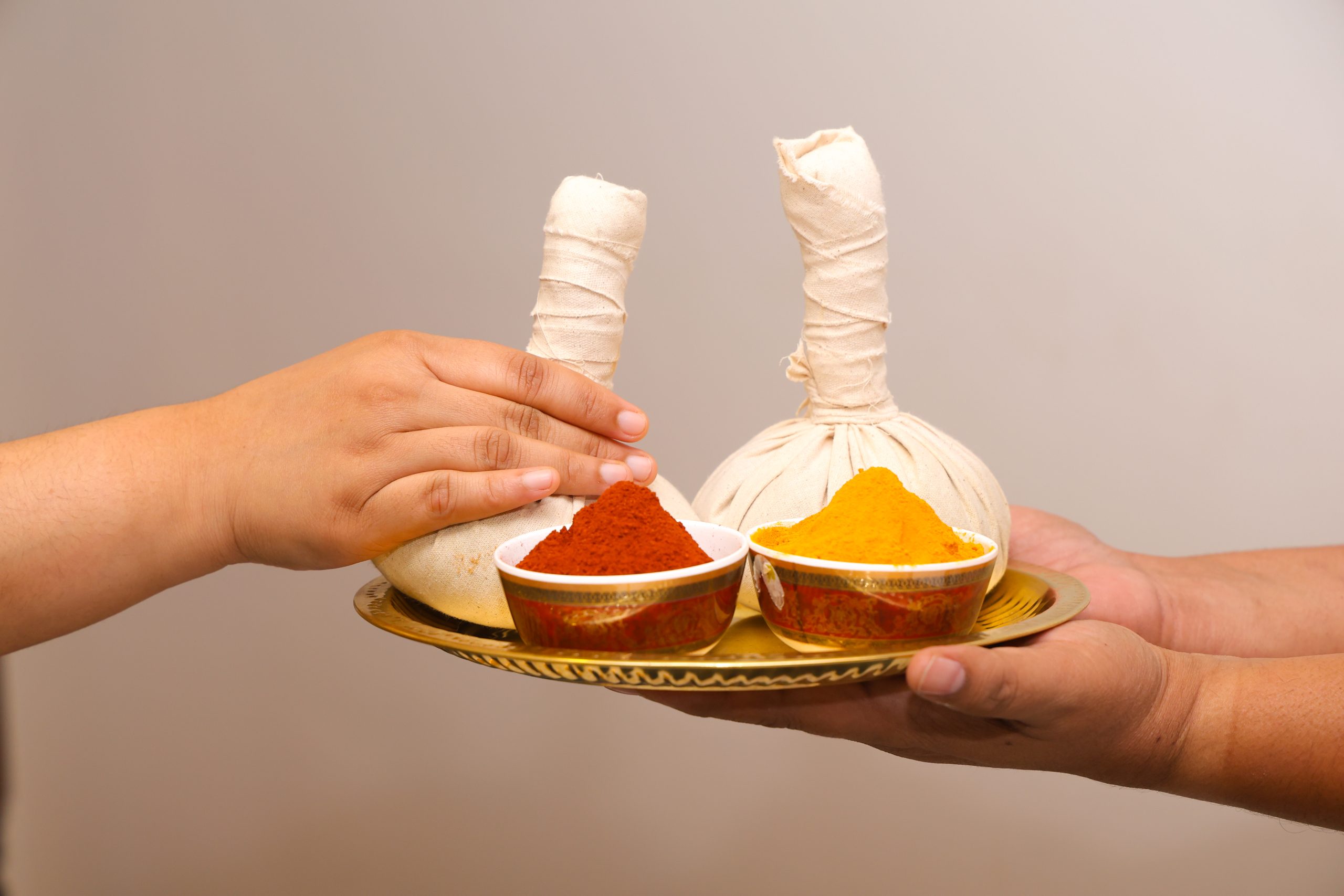
People exploring Ayurvedic treatment for knee osteoarthritis may consider oil massage, warmth-based therapies or herbal products. These approaches should be assessed individually and used as complementary care.
Evidence for massage is limited. It should support an exercise-based plan rather than replace it, and it should not be presented as a way to rebuild cartilage or permanently cure osteoarthritis.
Before choosing treatment, discuss your diagnosis, current medicines and health conditions with your treating clinician. Avoid strong massage or heat over a newly swollen, hot or unexplained painful knee until it has been assessed.
Does Turmeric Help Knee Osteoarthritis?
Early research suggests that turmeric or curcumin supplements may improve some knee osteoarthritis symptoms, but stronger evidence is needed. Products vary considerably, and certain formulations designed to increase absorption have been linked to liver injury.
Turmeric used in cooking is different from concentrated supplements. Speak with your healthcare professional before taking a supplement, particularly if you take other medicines.
Can Natural Treatment Replace Medical Care?
Natural approaches can form an important part of treatment, but some people also need medicines or specialist care. If knee pain continues to affect sleep, walking or everyday activities despite treatment, arrange a review to discuss further options.
Seek prompt medical assessment for a suddenly hot, red or very swollen knee, especially with fever, or if you cannot bear weight after an injury.
Frequently Asked Questions
What is the best natural treatment for knee osteoarthritis?
Tailored exercise is a core treatment. Weight management, when appropriate, and education about managing symptoms are also central parts of care. The most suitable combination depends on your individual assessment.
Is walking good for knee osteoarthritis?
Walking can be a useful form of exercise when adapted to your symptoms. Start with manageable distances and ask a physiotherapist for guidance if pain limits your activity.
Can knee osteoarthritis be cured naturally?
There is no established natural cure that reverses knee osteoarthritis. Treatment aims to reduce symptoms, maintain mobility and support everyday function.
Should I take glucosamine for knee pain?
Evidence for glucosamine and chondroitin is inconsistent, and NICE does not recommend routinely offering them for osteoarthritis. Discuss supplements with your clinician before purchasing them.
Get Personalised Support for Knee Pain
An assessment can help identify what is causing your knee pain and which treatments suit your needs. Book a consultation to discuss a personalised plan for knee comfort, strength and mobility.